
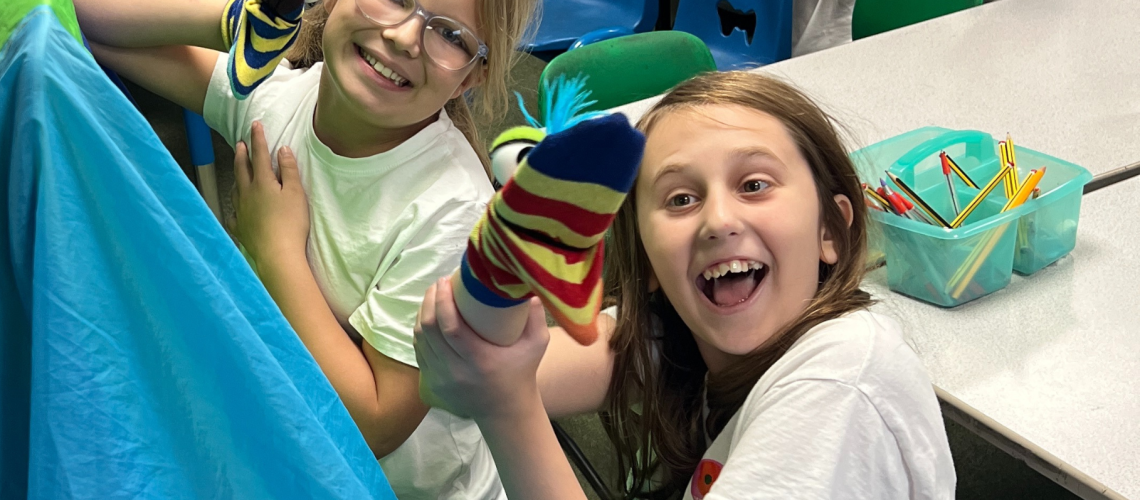

Teamwork is one of the hardest things for children to learn. As much as we, as adults, value collaboration and working towards a common goal, children—especially younger ones—often want to be the star of the show. And who can blame them? At a young age, they’re still developing their sense of self, learning how to express their ideas, and figuring out their place in the world.
At Zozimus Drama, teamwork is a core focus. It’s something we actively teach, not something we assume will just happen. I’ve seen time and time again how drama can transform the way children interact with others, but I also know how tricky it can be to get there.
A Lesson in Teamwork from the Rugby Pitch
Before I talk about drama, I want to share an example from a different world—sport. My eldest daughter plays rugby, and if there’s one thing rugby thrives on, it’s teamwork. When she first started, it was fascinating to watch the children figure out how to play together. Some wanted to be the hero, running with the ball and scoring all the tries themselves. They ignored their teammates, even when they were in a better position to pass.
Then there were the others—the ones who instinctively listened, spaced themselves out, and worked as a team. These were the children who understood that if they supported one another, the whole team would succeed. Slowly, I saw the difference between those who played with their team and those who played for themselves. And the best part? The ones who worked together got better results.
This lesson in teamwork doesn’t just apply to sport—it applies to drama, to school, and to life in general. Learning how to work together is one of the most important life skills a child can develop, and drama is one of the best ways to teach it.
Why Drama is Essential for Developing Teamwork Skills
Teamwork is about more than just ‘playing nicely’—it’s about communication, problem-solving, and adaptability. Studies have shown that drama enhances:
- Communication Skills – Children must clearly express their thoughts, listen to others, and respond in a way that makes sense in the scene.
- Empathy & Social Awareness – Role-playing different characters helps children understand others’ perspectives, a crucial skill for working in groups.
- Cooperation & Negotiation – Drama teaches children how to compromise and build on each other’s ideas, instead of just pushing their own.
- Creative Problem-Solving – Group improvisation forces children to think on their feet, adapt to unexpected challenges, and work collaboratively to resolve them.
- Confidence & Leadership – Being part of an ensemble helps children find their voice, take initiative, and step back when needed to let others lead.
A study published in The Journal of Educational Psychology found that participation in drama activities significantly improves collaborative problem-solving skills. Children who regularly engage in drama also show higher emotional intelligence, making them better at navigating group dynamics in school, friendships, and eventually in the workplace.
Games That Teach Teamwork
At Zozimus Drama, we use fun, interactive games that naturally reinforce teamwork skills without feeling like a formal lesson. These games create moments where children have to work together, so they experience the benefits firsthand.
Wizard, Troll, Knight
A drama twist on Rock, Paper, Scissors, Wizard, Troll, Knight requires full team coordination. Trolls beat Wizards, Wizards beat Knights, and Knights beat Trolls. Each team must decide together which character to play. If they don’t all act as one, they lose the round.
This game develops collaborative decision-making, listening, and strategic thinking—essential teamwork skills.
The Human Knot
A brilliant cooperation and problem-solving exercise, The Human Knot has children stand in a circle, grab random hands, and untangle themselves without letting go. Success requires patience, leadership, and communication—exactly the skills needed for working in a team.
The Balloon Relay
In this fast-paced game, children pass a balloon over and under their teammates, racing to the front. It’s a fun way to reinforce encouragement, trust, and mutual support—all crucial elements of teamwork.
The Challenge of Group Work
Group work in drama mirrors real-world teamwork dynamics. When we ask children to create a short scene, we often see common struggles:
- The Bossy Boots – A child takes over, directing everyone and ignoring their ideas.
- The Quiet Ones – Some children hold back, not because they don’t have ideas, but because they don’t feel heard.
- The Chaos Crew – No one listens, and everyone talks at once, leading to a messy, unfocused scene.
So, how do we help children develop teamwork in these situations?
- The “One Idea Each” Rule – Every child must contribute at least one idea to the scene, ensuring everyone’s voice is heard.
- The “One Line Each” Rule – Each child adds a line to the script one at a time, so everyone gets a chance to contribute without being overpowered.
- Listening Games – Activities like Chinese Whispers and Zip Zap Zop reinforce active listening, helping children learn to focus on what’s being said instead of just waiting for their turn to speak.
Drama Builds Teamwork for Life
What I love about drama is that it doesn’t just teach teamwork for performance—it teaches teamwork for life. Whether in school, sports, or future careers, children who learn to collaborate, listen, and share ideas will always be better equipped for success.
I’ve seen children start as the “Bossy Boots” and gradually learn to step back, listen, and support their peers. I’ve watched the quiet ones gain the confidence to speak up because they know their ideas matter. I’ve seen groups go from complete chaos to a seamless, supportive team.
Teamwork isn’t easy—it’s one of the hardest skills we teach. But when children experience the magic of working together, it becomes something they carry with them beyond the drama room.
At Zozimus Drama, we’re not just creating performances—we’re shaping confident, cooperative, and compassionate young people.
So, the next time you see children playing a drama game together, remember: it’s not just about fun. It’s about learning one of the most valuable skills in life—how to work as a team.
Do you have a favourite teamwork game or activity? Let us know in the comments!
To find out more about the classes we offer, head to our classes tab https://zozimusdrama.com/#class or head to our facebook or instagram page for updates on all our upcoming lessons